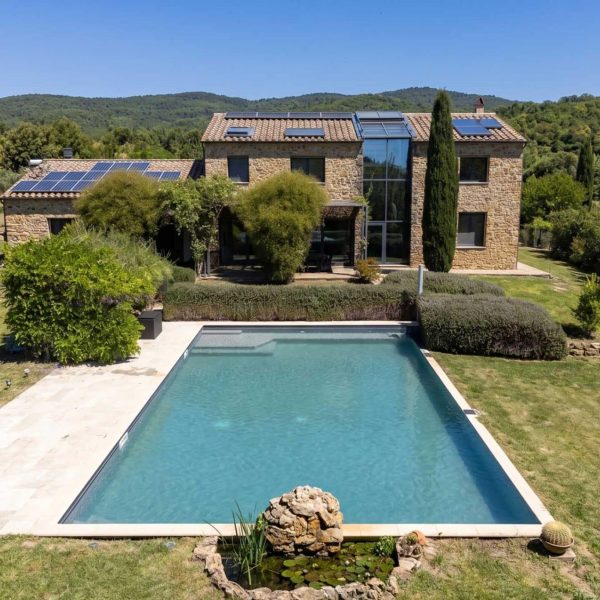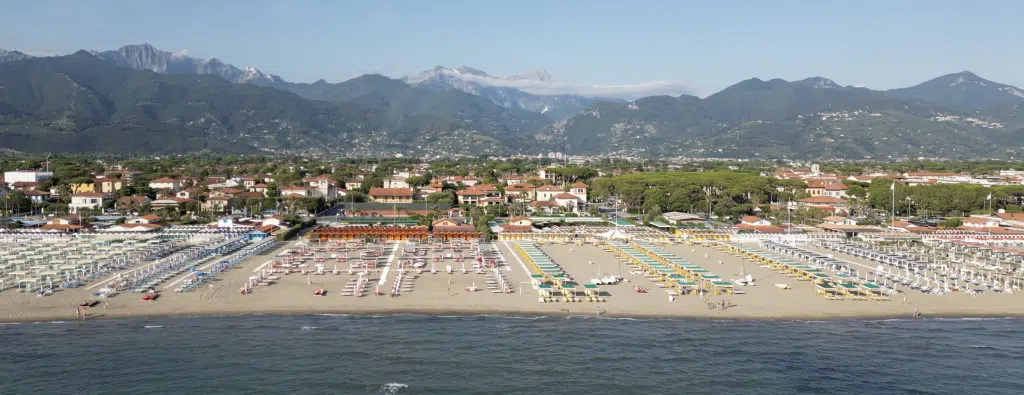


There is a perception, a symphony of impressions that begins long before crossing a threshold. Choosing a luxury property is never simply a matter of square footage or location: it is, above all, a question of sensibility. How does a home imprint itself on memory? Through what is seen, breathed, touched, tasted, heard. Italian luxury real estate holds this rare quality: the ability to speak to the senses before it ever speaks to reason.
We have chosen 5 types of luxury properties in Italy, each one associated with a different sense. An experiential journey that moves from the villa that frames the landscape like a painting, to the estate where the air itself tells the story of the seasons. From the stone farmhouse that carries the weight and history of its land, to the agriturismo where the table is an integral part of the architecture of pleasure, all the way to the seafront villa where the boundary between living space and nature dissolves into continuous sound.
Five Properties, Five Senses: Italian Luxury Real Estate as You Have Never Experienced
There is a discipline, known in architecture and interior design as sensory design or multisensory design, that studies how physical spaces are perceived and remembered through the simultaneous engagement of all the senses. In luxury properties, this perspective explains why certain homes leave a lasting impression on everyone who visits them.
Sight is the dominant sense in traditional property evaluation: floor plans, proportions, and natural light. But it is only the entry point. Scent is the sense most directly connected to emotional memory: a property set within a vineyard or surrounded by pine forests communicates a sense of belonging to a place long before the rational mind has processed the information.
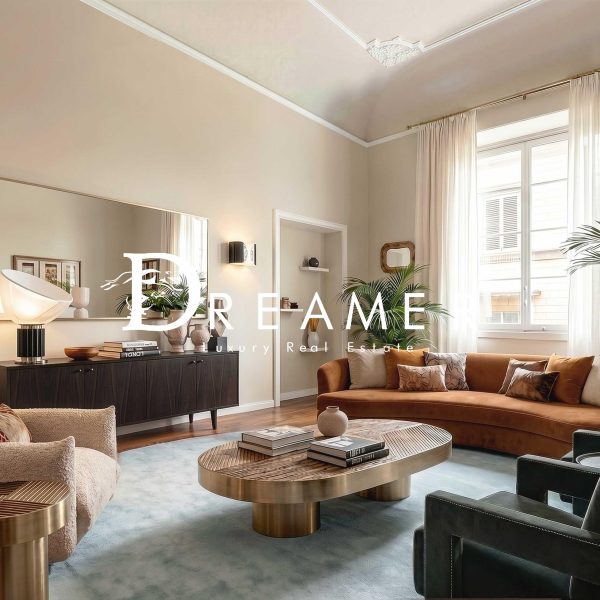
Touch comes into play through materials: the grain of limestone walls, the temperature of oak parquet underfoot on a winter morning, and the solidity of a solid timber frame are indicators of quality that the body registers with surgical precision. Taste, in the context of rural luxury real estate in Italy, expands well beyond the table. It becomes a metaphor for territory, for supply chain, for the productive identity of a property.
Sound, finally, is perhaps the sense that defines residential comfort most immediately and most invisibly. The silence of the Italian countryside at first light, or the rhythmic presence of the sea through an open window carry a value that no floor plan or specification sheet can quantify.
Each of these senses becomes the key to a different type of luxury property in the Dreamer portfolio: a way of telling not just what you are buying, but how you will live it.
The Villa with a View: When Sight Becomes Architecture
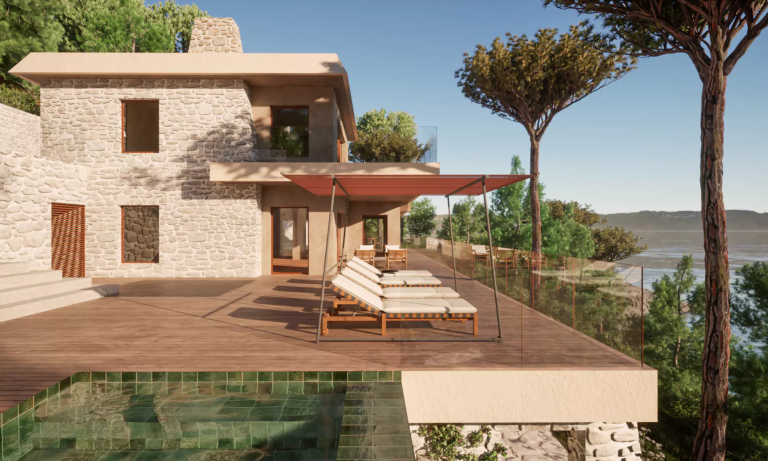
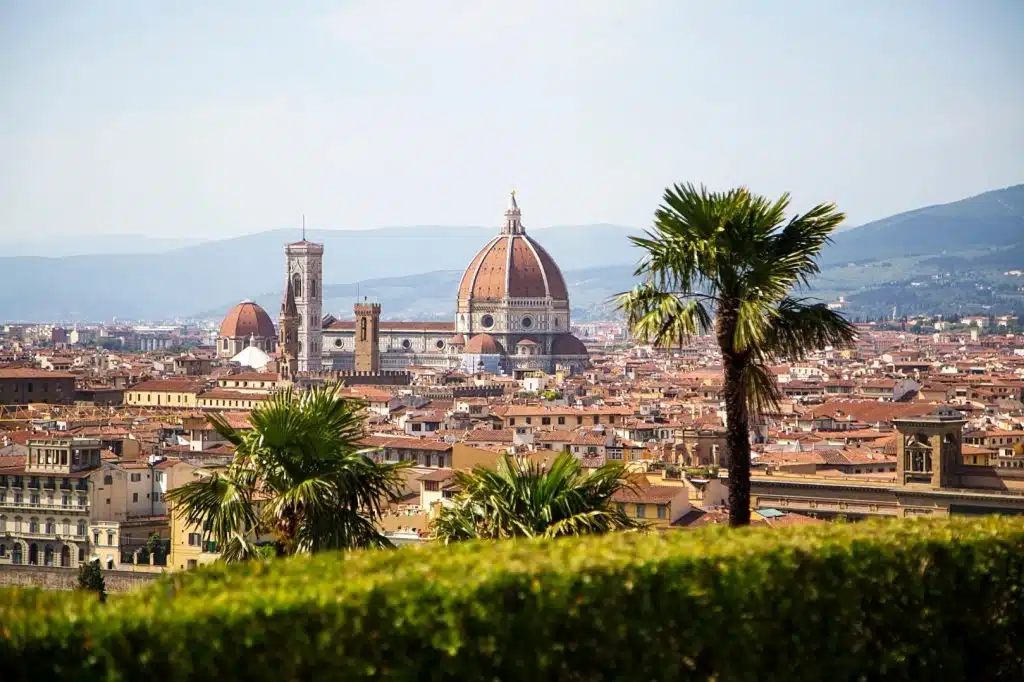
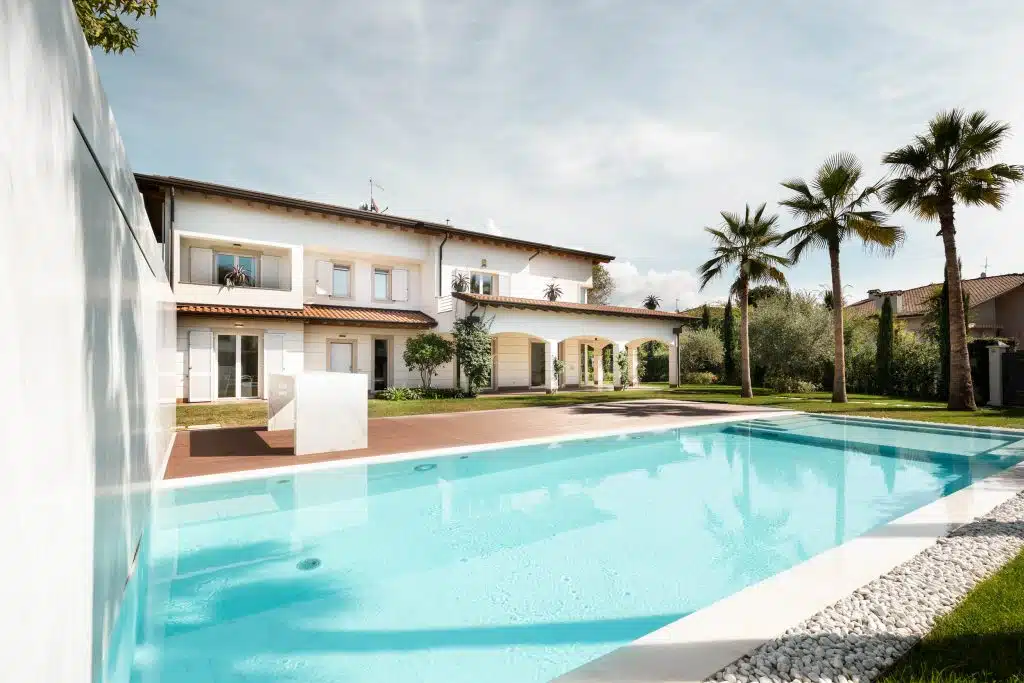
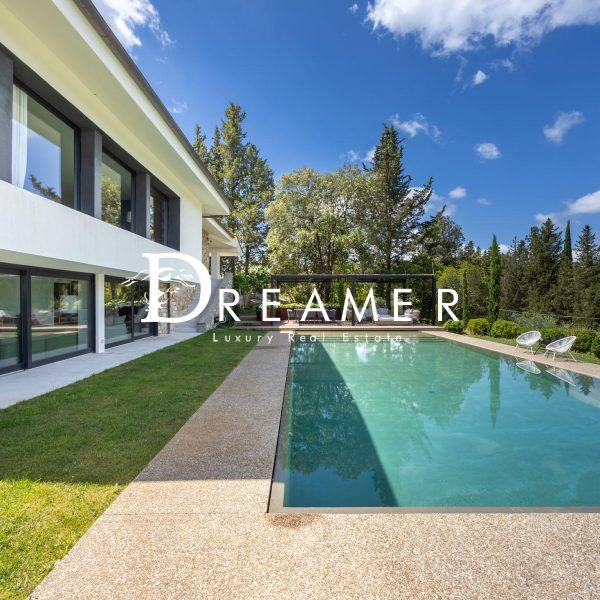
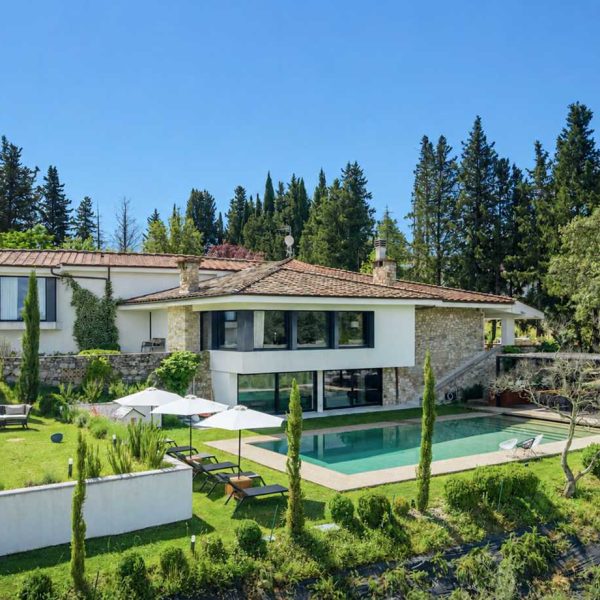
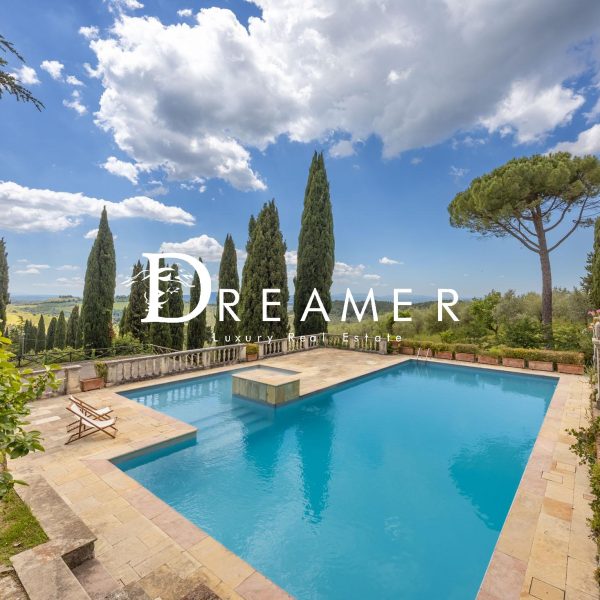
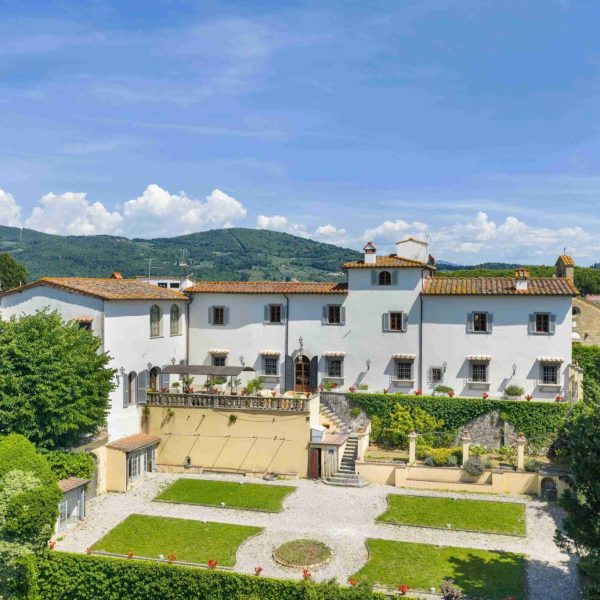
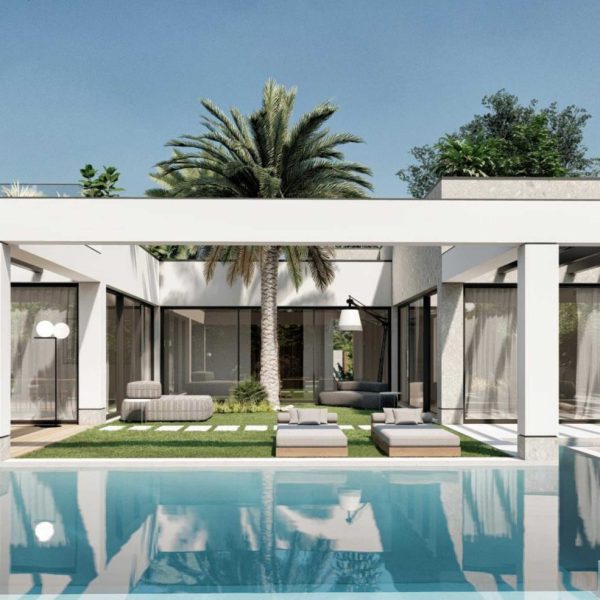
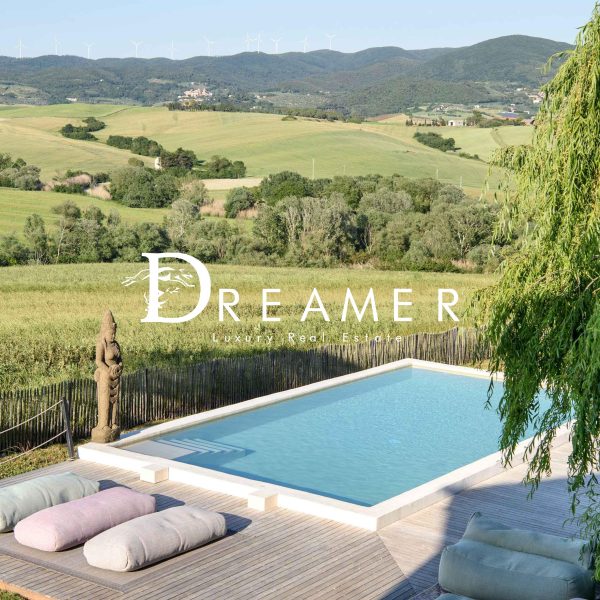
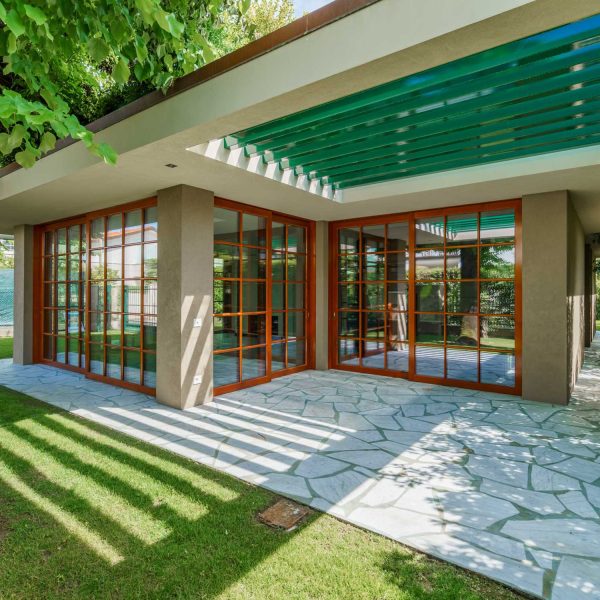
The finest panoramic villas in Italy share one defining characteristic: they treat the view not as a backdrop, but as a building material. From full-height glazing that frames the Tuscan hills at dusk, to infinity pools engineered to dissolve into the horizon, the architecture organises and amplifies visual perception. The landscape is not something you look at: it is something you inhabit.
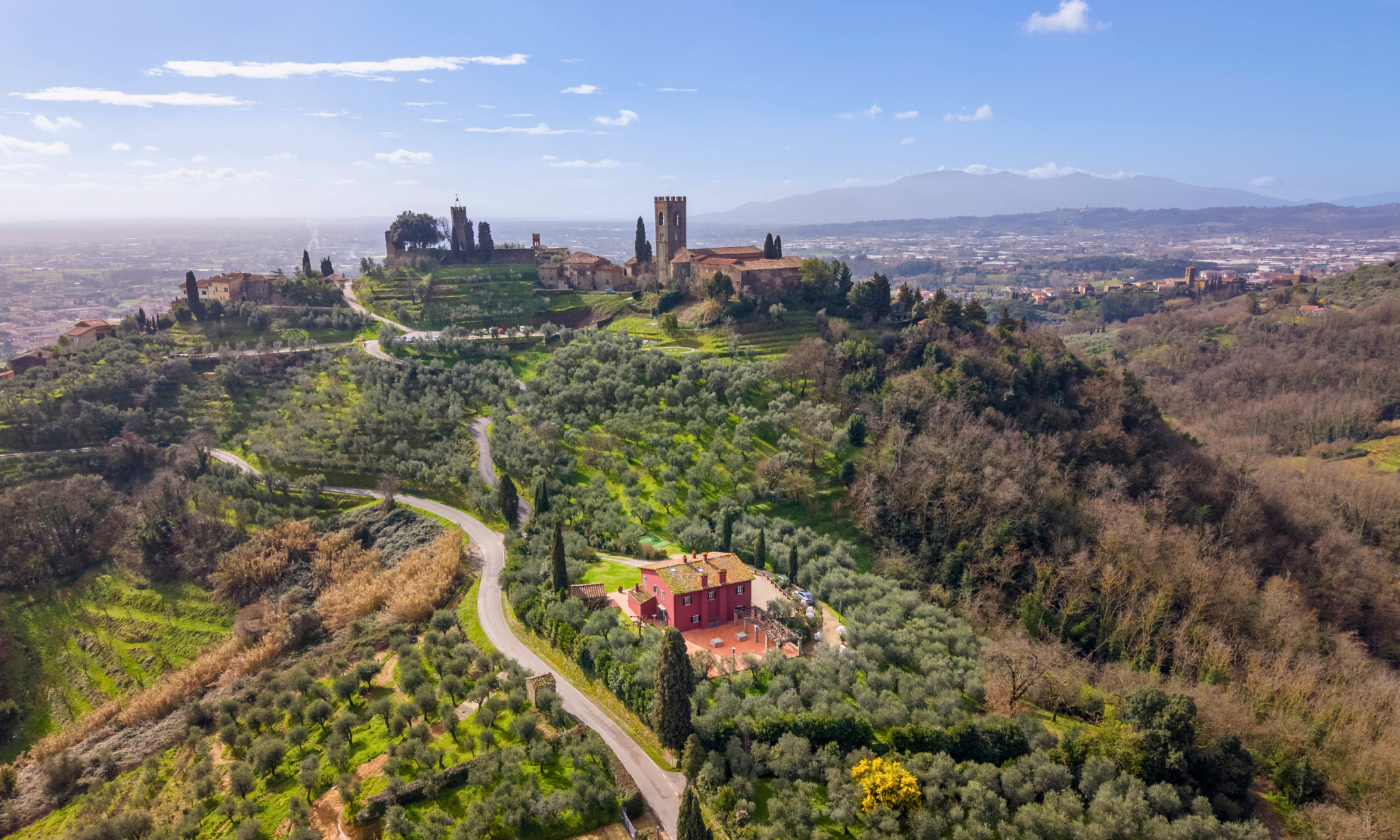
From a market perspective, hilltop villas with panoramic views represent one of the most stable and least volatile segments within the luxury property sector. The unrepeatable exposure and a position commanding the surrounding landscape guarantee above-average value retention over time. It is no coincidence that among luxury homes for sale in Italy, properties with privileged views consistently record shorter time-on-market than comparable categories with equivalent square footage and finishes.
Buying a villa with a view in Italy means acquiring a perspective on the world, literally and architecturally. It is perhaps the most immediate of all real estate luxuries: one that is understood in an instant, at first glance, before you have even crossed the threshold.
The Wine Estate: When Scent Tells the Story of a Place
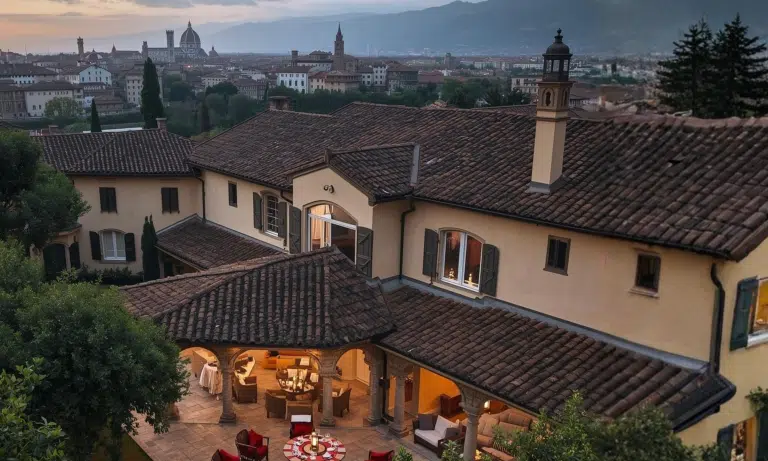
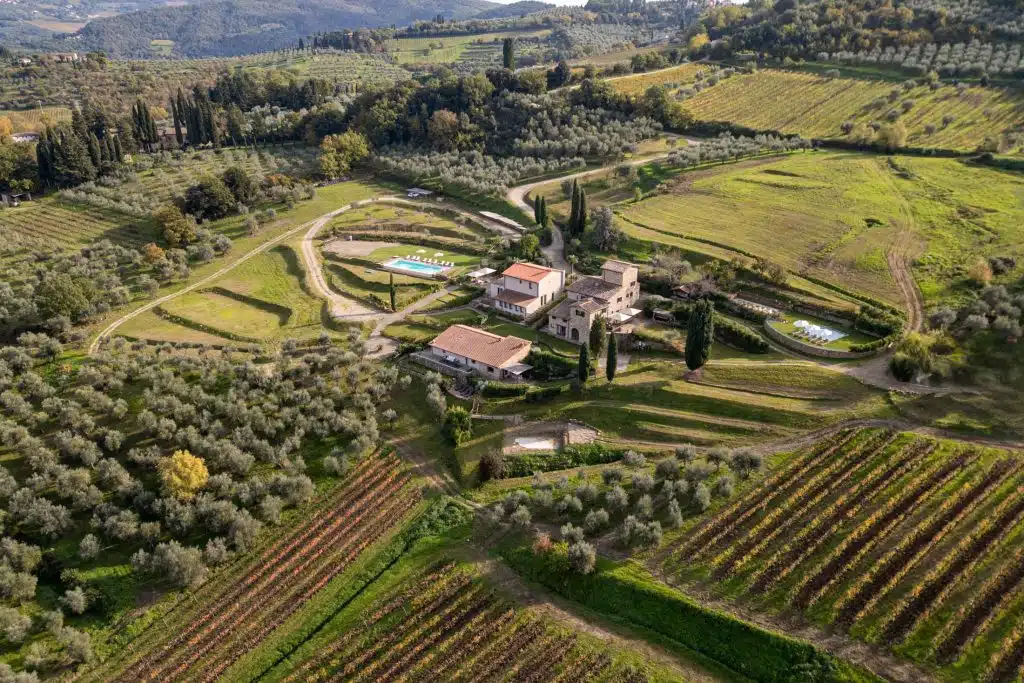
Every season has its own scent and on a vineyard estate, this is an architectural fact. The property changes nature four times a year, and those who live there perceive it first through scent before any other sense. Fermenting must in October, freshly cut grass between the rows in May, dry warm earth in August, damp oak barrels in the cellar in winter. These are olfactory signals that build a relationship with a place impossible to replicate in any urban context.
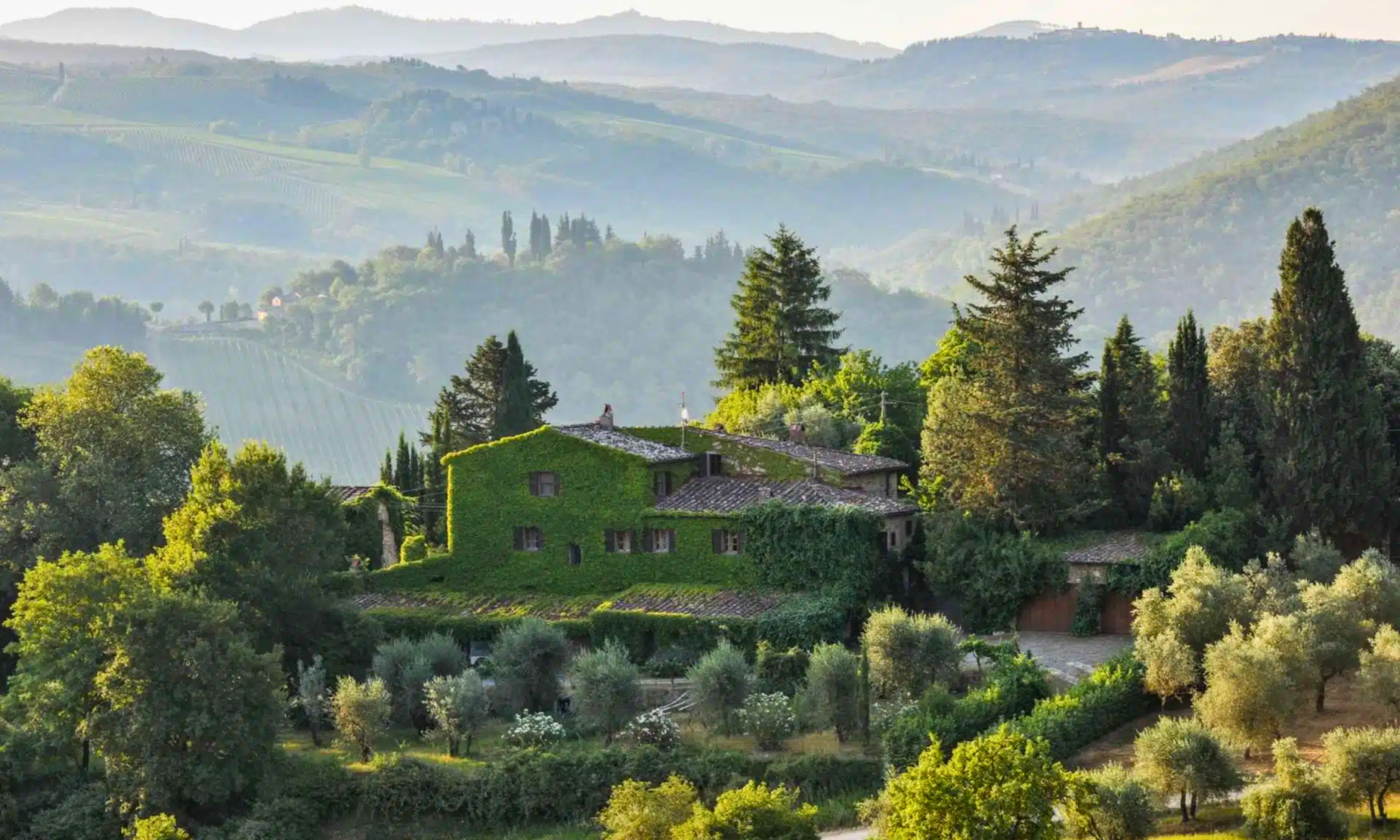
Within Italian rural luxury real estate, wine estates occupy an entirely distinctive position. More than properties with land attached, they are productive ecosystems with their own sensory identity and a history embedded in the vines themselves. Buying a vineyard property means acquiring a heritage with roots literally planted in the soil, one that returns that sense of belonging every single day, in the very air you breathe.
From an investment standpoint, premium wine estates in Italy present market dynamics that set them apart from every other luxury property category. Value is determined not solely by the quality of the main residence, but by a combination of factors: the DOC or DOCG classification of the vineyards, average productivity, the presence of a fully equipped working cellar, and the recognisability of the wine brand associated with the estate. Italian wine estates for sale are attracting growing international interest, with buyers seeking a productive and cultural identity rooted in the land.
Scent, in this context, is the most precise measure of how alive a property truly is.
Tuscan Farms, between Luxury, Investments and Exclusivity: read the article on Dreamer Magazine.
The Stone Farmhouse: When Touch Measures Quality
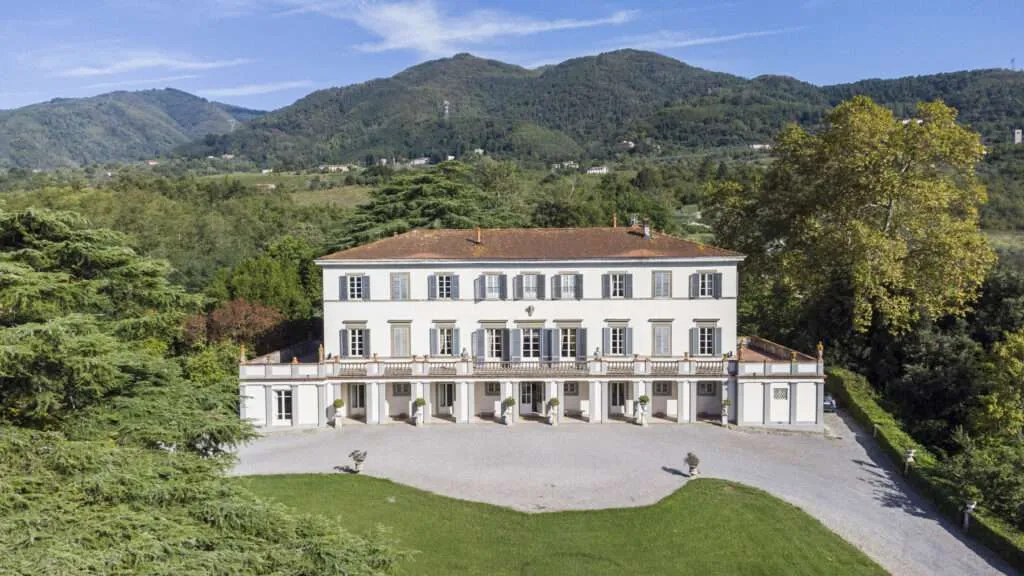
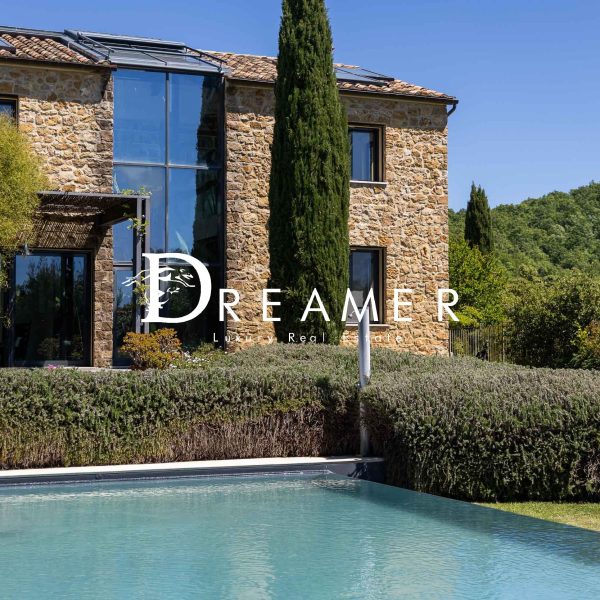
There are materials that communicate before they are seen. Stone is one of them: a single touch of the hand is enough to read the age of a wall, the quality of the craftsmanship. In a renovated stone farmhouse in Italy, this tactile quality is the very substance of the property, the thing that sets it apart from any contemporary construction.
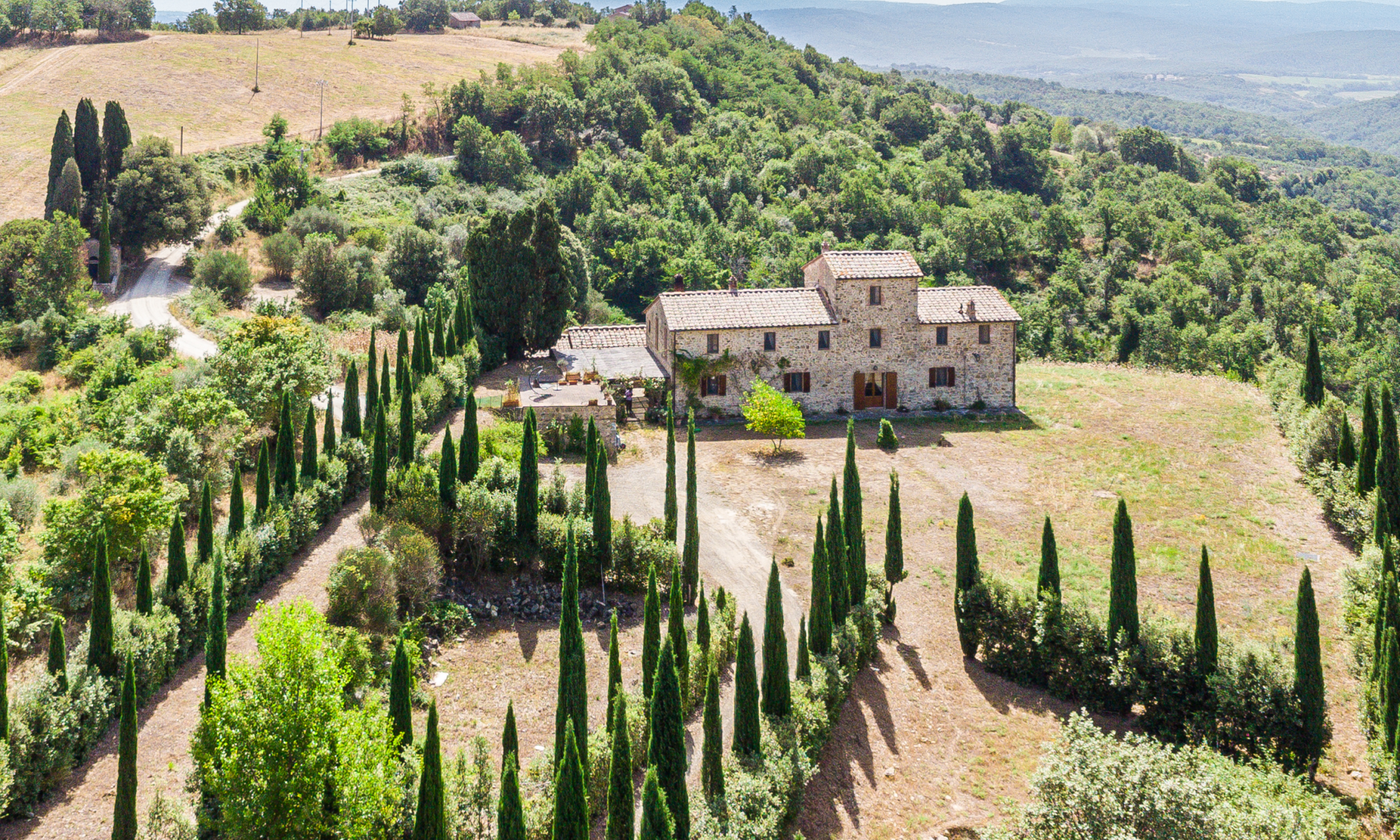
Touch in luxury real estate manifests through a precise hierarchy of materials. Local stone, with its irregular surface and its permanently cool temperature, defines the outer shell and the structural internal partitions. Handcrafted terracotta floors return a sensation of density and warmth underfoot that no high-definition porcelain tile can simulate. The chestnut or oak of beamed ceilings, staircases, and window frames introduces a tactile and thermal variation that follows the rhythm of the seasons: cooler and more compact in winter, warmer and more open in summer. These are materials you feel, in the most physical sense of the word.
Luxury stone farmhouses in Italy represent one of the most sought-after segments in the Italian property market today, with demand growing consistently in recent years, driven above all by international buyers. The reason is partly aesthetic, partly cultural, but largely tactile. In an era of uniform surfaces and standardised finishes, the materiality of an authentic rural property carries a scarcity value that the market recognises and rewards. A well-restored stone farmhouse, with original materials preserved, does not age. It consolidates, acquiring over time a patina that adds rather than subtracts value.
To live inside stone is a form of luxury that demands attention and knowledge and that returns, to those who know how to recognise it, a quality of domestic experience that no other building typology can offer.
The Agriturismo with Restaurant: When Taste Becomes Pleasure
In the language of luxury real estate, the word agriturismo has undergone a profound semantic transformation in recent years. It no longer simply describes a rural property with a hospitality function: it defines a complex property category in which architectural quality, agricultural production, and gastronomic offering are integrated into a single coherent system. Within that system, taste becomes one of the most direct expressions of what it means to live well.
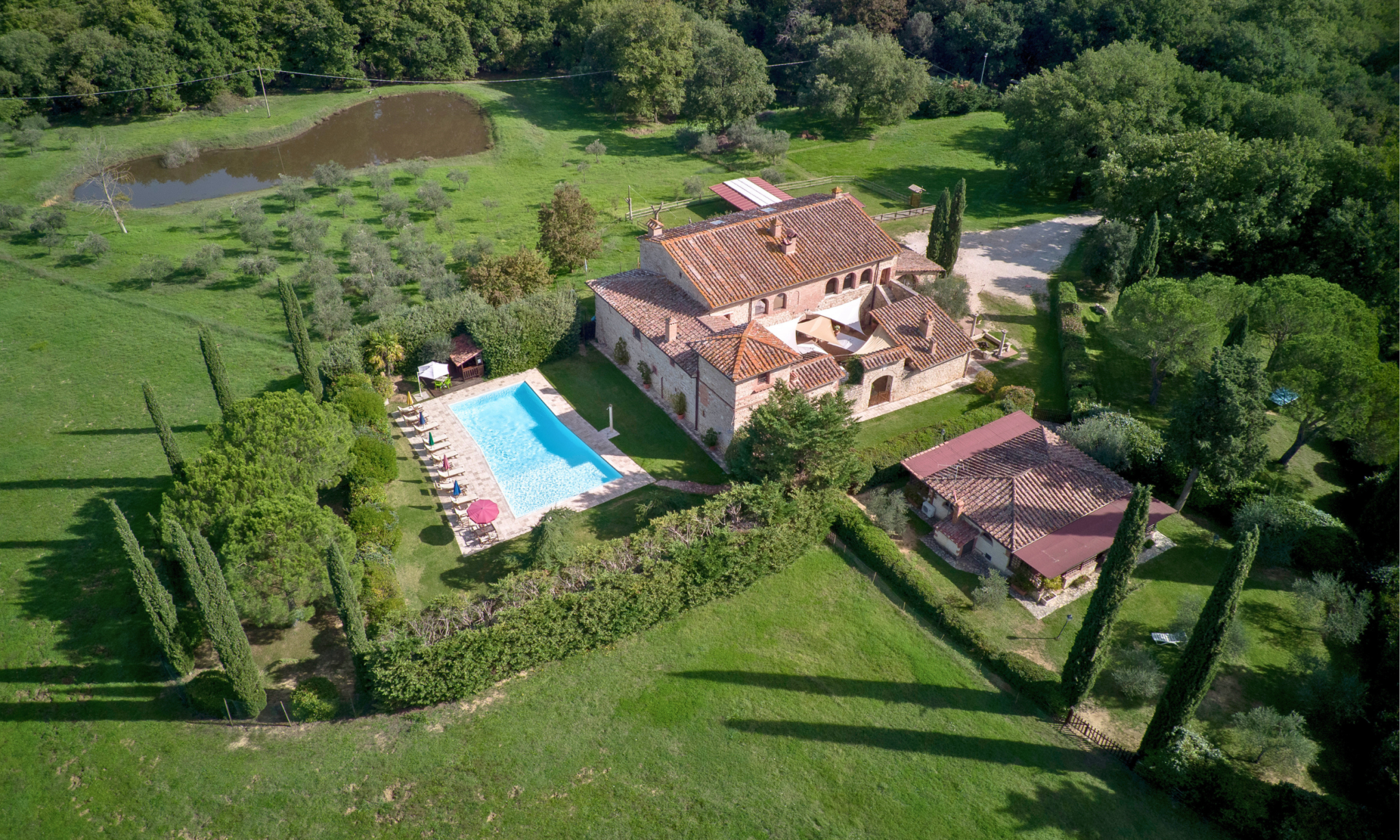
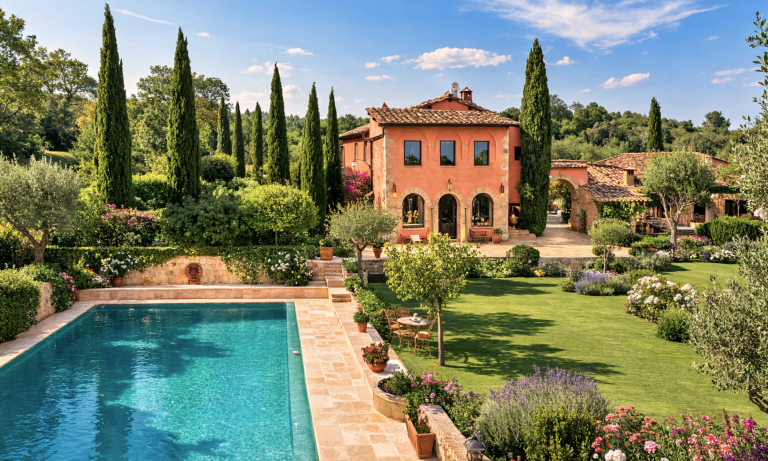
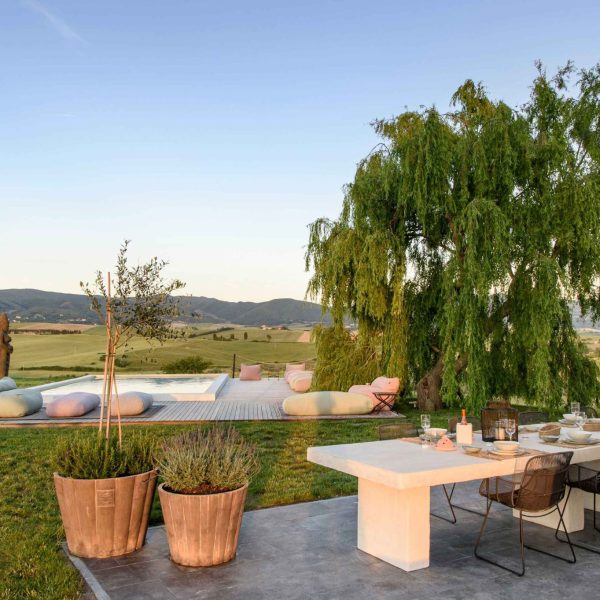
A luxury agriturismo with restaurant operates according to a logic that begins in the soil and ends at the table. The oil pressed from the estate’s own olive trees, the wine produced from its vineyard, the vegetables grown in its kitchen garden are ingredients that carry precise gustatory information. The terroir, the microclimate, the hand of whoever cultivated them. Farm-to-table cuisine in this context is not a marketing choice but a natural consequence of the property’s productive architecture. Taste, quite literally, is the flavour of the place.
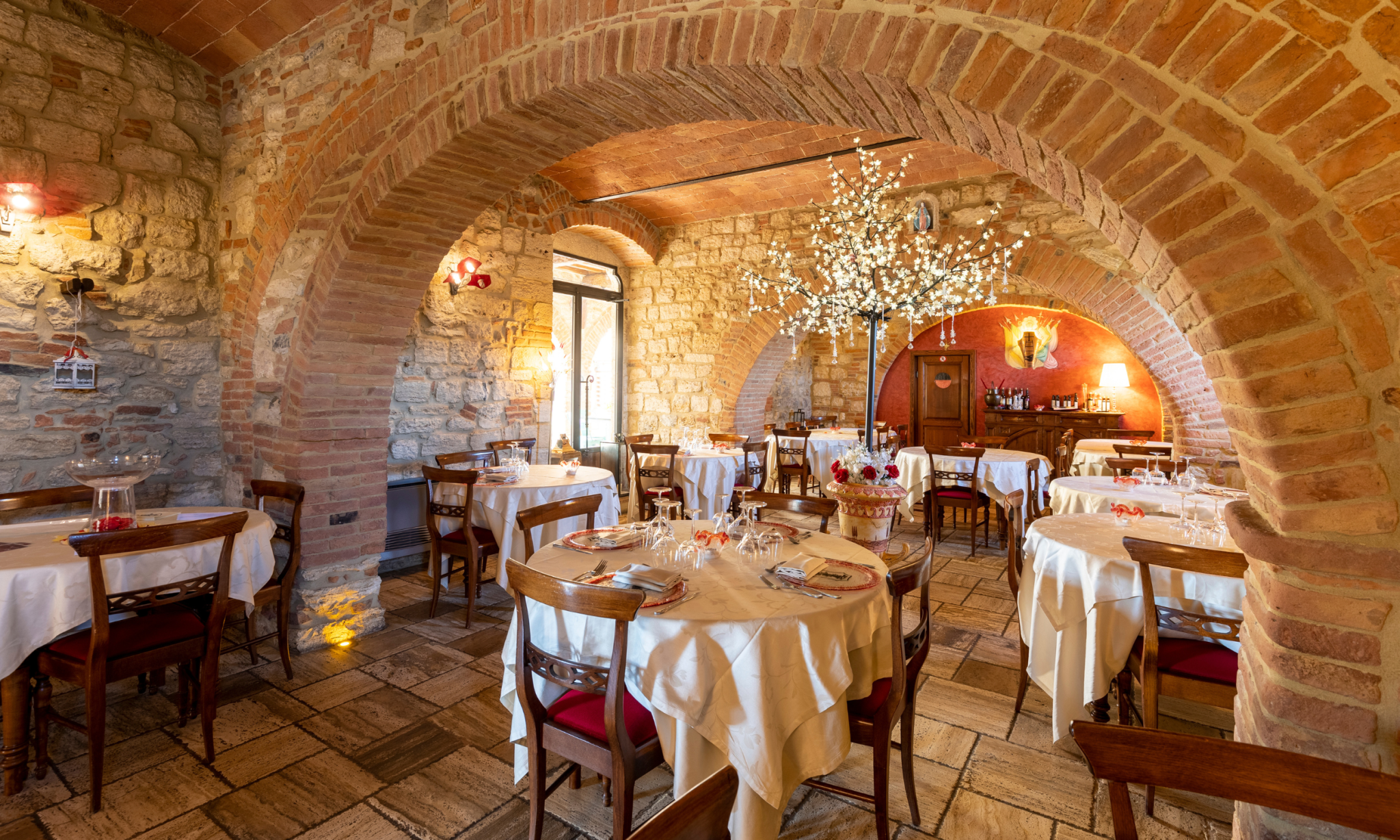
From an investment perspective, this property type presents characteristics that make it particularly compelling within the rural luxury real estate landscape. An active restaurant with a high-level gastronomic offering generates diversified income streams (dining, hospitality, private events, direct product sales) that provide a stable revenue base largely independent of the property market cycle. The growing demand for authentic food experiences from high-spending international travellers has further positioned these properties as objects of interest not only for private buyers, but also for luxury hospitality operators and agri-food investment funds.
In architecture, taste is called liveability. In a property like this, the two definitions are the same.
Discover more on Luxury Experiential Travel.
The Seafront Villa: When Sound Defines Space
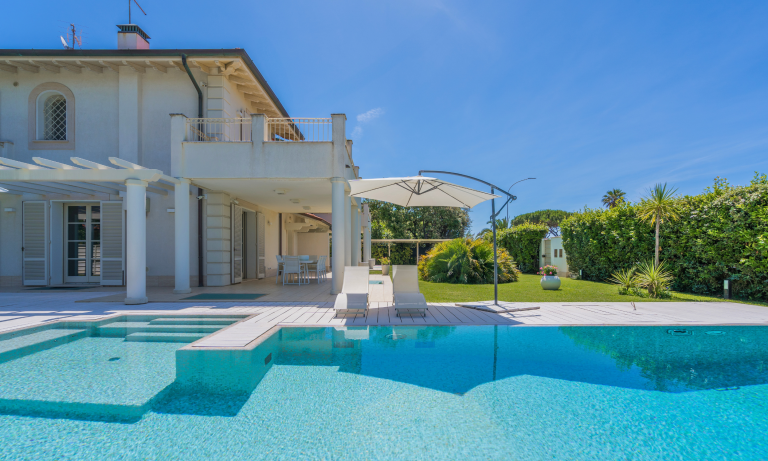
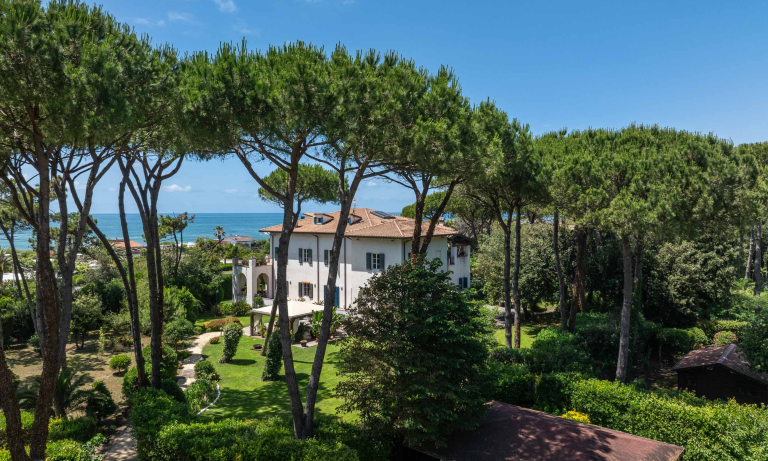
There is a precise moment, upon entering a luxury seafront villa, when you stop looking and begin to listen. The sound of the waves becomes a constant, rhythmic presence, one that redefines the perception of the interior space and marks domestic time with precision. In this sense, sound is not incidental to the experience of these properties: it is their structural dimension.
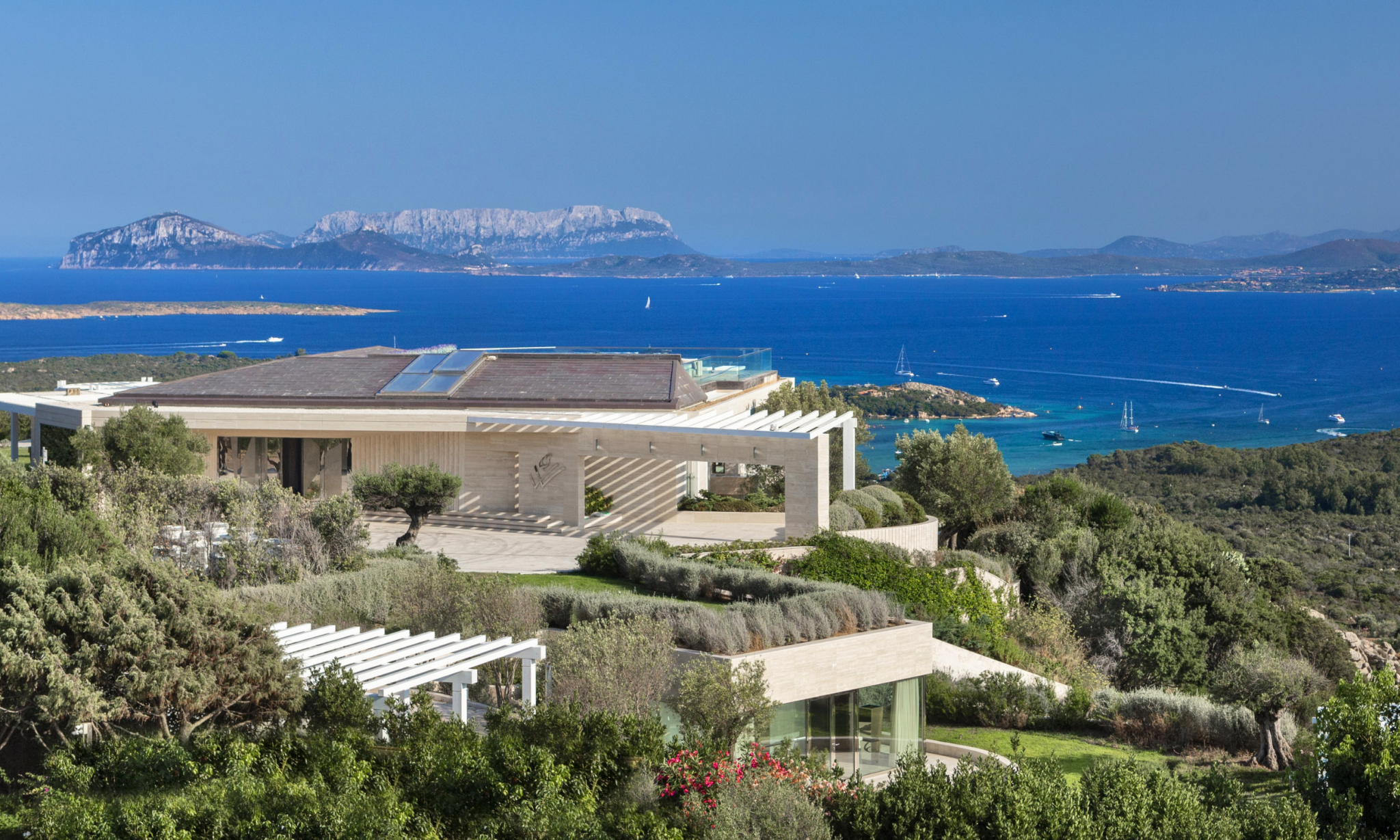
The acoustic quality of a premium waterfront property is built on two complementary levels. First: the relationship with external sound. The orientation of the building relative to the coastline, the scale and positioning of the openings, and the quality of the glazing determine how the sound of the sea enters the space. Then, the second level is internal acoustic insulation. In contemporary luxury coastal residences, acoustic design is an integral part of the specification, ensuring maximum comfort throughout. Silence, when sought, must be absolute. The sound of the sea, when desired, must be pure.
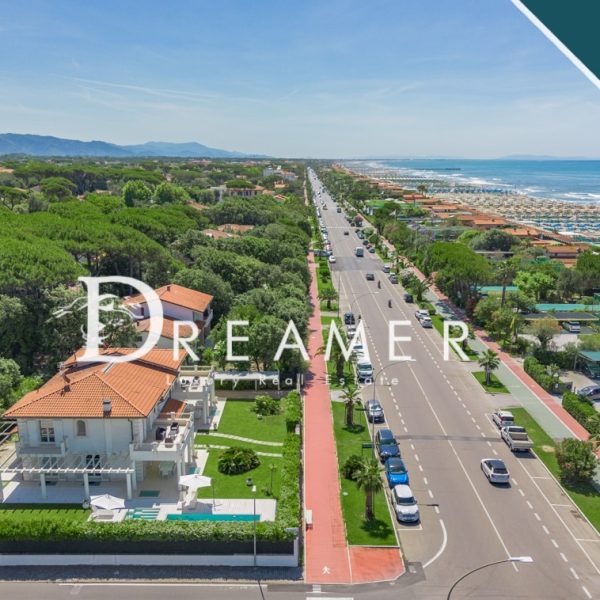
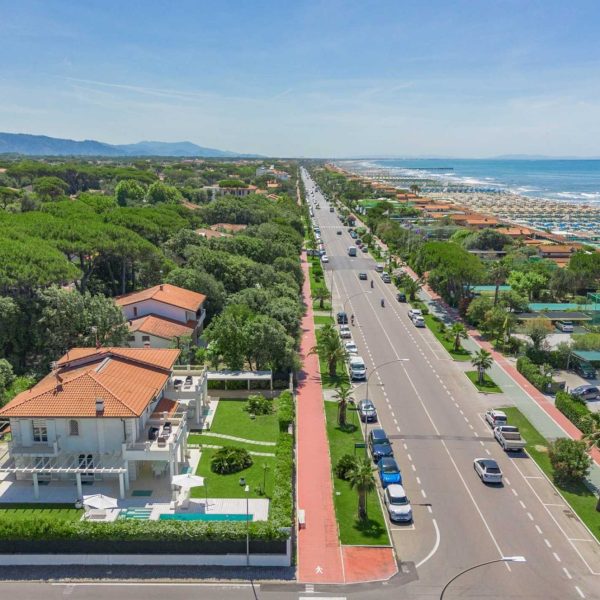
In the market for luxury property on the sea in Italy, demand is concentrated in a handful of geographies of established excellence: the Tuscan coastline of Versilia and Argentario, and the north-eastern shores of Sardinia, where scarcity of quality frontline supply keeps values at structurally elevated levels. Seafront villas in these locations record consistent international demand, drawing buyers who are not simply purchasing a property but an exclusive and irreplaceable sensory experience.
To live by the sea is to accept being inhabited by a sound larger than any domestic space. It is, perhaps, the oldest and most immediate form of luxury there is.
Living with All the Senses: The Luxury That Cannot Be Described, Only Lived
Italian luxury real estate holds the capacity to offer a complete system of perception. A villa that frames the landscape, an estate that carries the scent of the seasons, a stone farmhouse felt beneath the fingertips, an agriturismo that tastes of its territory, a villa that listens to the sea. Five different ways of answering the same question: what does it truly mean to buy a luxury home in Italy?
The answer is never purely architectural or financial. It is sensory. It is the sum of everything a space gives back to those who inhabit it, day after day, season after season. And it is precisely this quality, impossible to quantify, impossible to ignore, that determines the enduring value of an exceptional property over time.
At Dreamer, we work every day to select properties that speak to all five senses. Because we believe that luxury is not measured in square metres, but in depth of experience.
Explore the Dreamer Collection of luxury properties for sale in Italy.