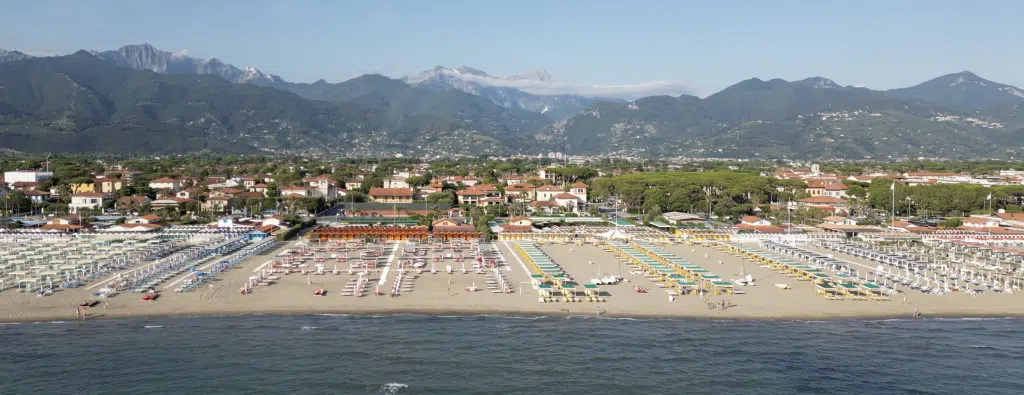


There is an emotion that no glass skyscraper or hi-tech penthouse can ever replicate: the soul of a historic home. It is the tactile thrill of a stone laid five centuries ago, the light filtering through a Renaissance rose window, and the echo of footsteps that have traversed history.
Historic Homes for Sale: The Mansions of History’s Most Illustrious Figures
The year 2026 has confirmed a fundamental truth: time has become the most precious asset. For high-profile investors, the “new gold” does not glitter in vaults; it is hidden among the Tuscan hills, within noble palaces, or inside the walls of period buildings waiting to be brought back to life.
Is this the true Renaissance of real estate investment? Let’s explore.
Capital Appreciation of Historic Villas: The Italian Heritage Asset
Italy possesses a value considered non-replicable. While global markets seek stability, heritage properties in Italy offer resilience backed by extraordinary data:
- Approximately 25% of Italy’s total building stock consists of historic buildings (roughly 3 million structures built before 1945).
- There are approximately 46,000 privately owned listed buildings in Italy, representing 17% of the national cultural capital, where rarity is guaranteed by the State.
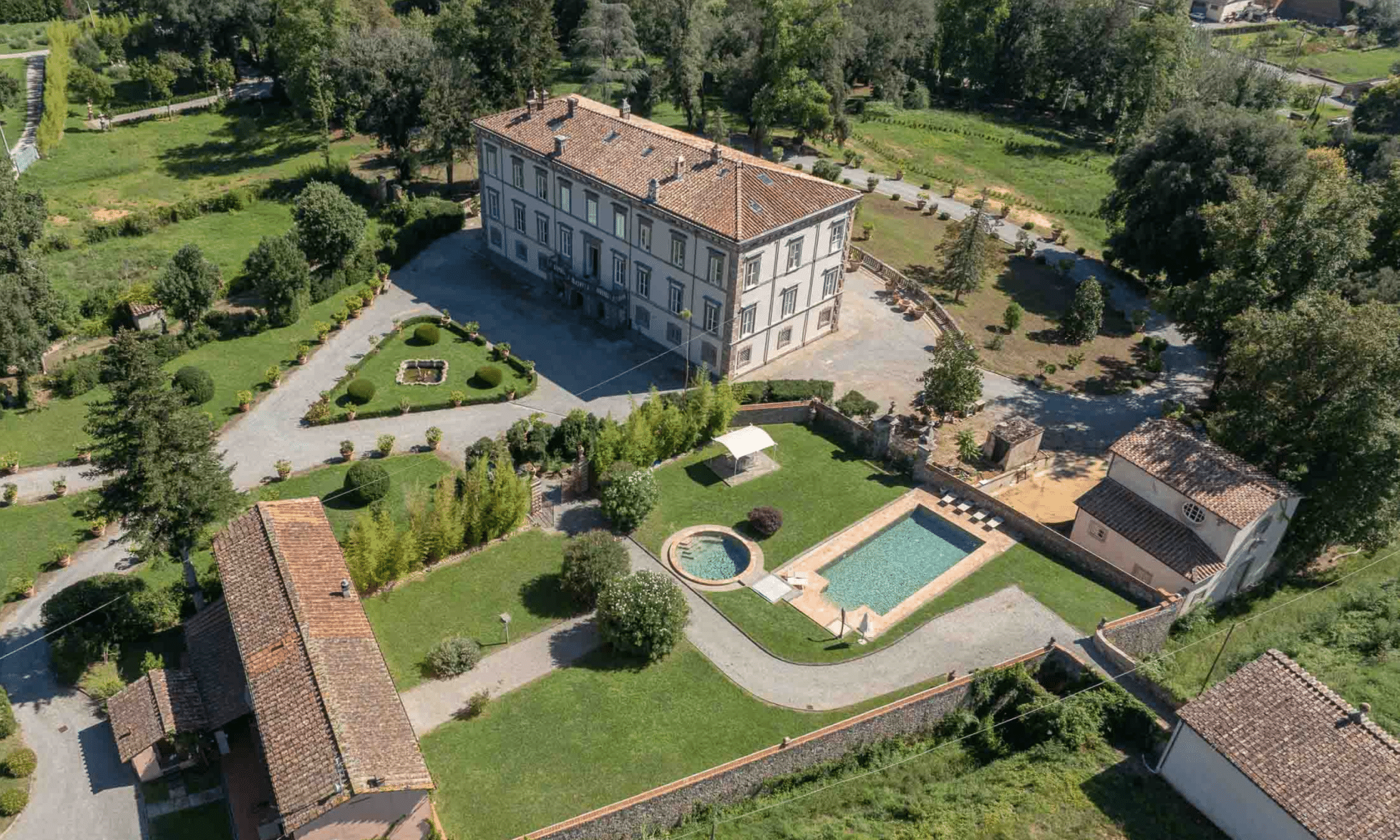
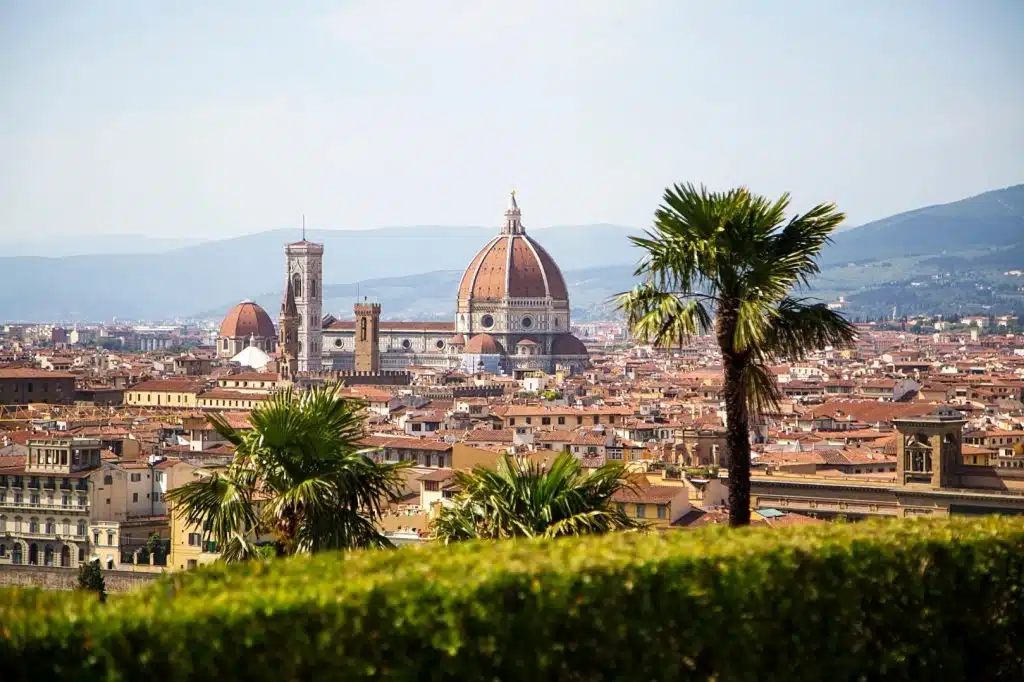
The heart of these heritage assets in Italy beats in Tuscany, Veneto, and Emilia-Romagna, with Florence and Bologna remaining the top-tier districts for investment density.
40.7% of these homes are nestled in historic hamlets, offering that rural exclusivity that the global market now defines as the true luxury of disconnection.
- In 2025, these properties attracted 35 million visitors, confirming their status not only as residences but also as real drivers of tourism and commercial attraction (Source: Italian Ministry of Culture).
Asset Selection Guide: What are Heritage Properties?
In the financial lexicon of 2026, the term heritage property has evolved beyond an architectural definition to become a distinct investment category. We are talking about an elite segment representing just 0.3% of the national housing stock. Investing in such a property means acquiring a “time-tested” asset that serves as the most sophisticated form of real estate value-add.
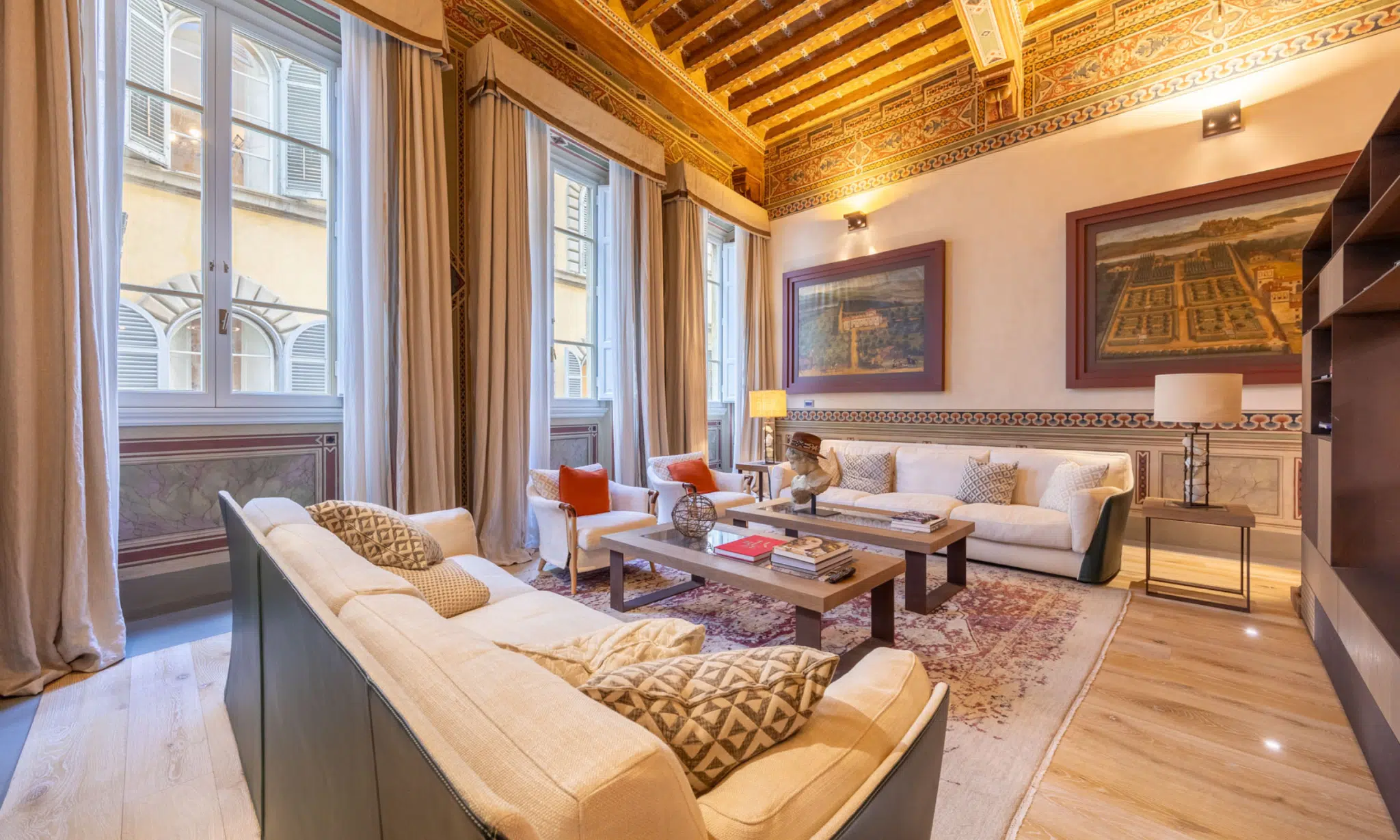
The market is dominated by palaces (40.2%) and villas (33.7%), but the data on castles (11.2%) represents the most coveted niche for trophy assets, offering finite supply and intrinsic value stability.
Heritage Asset Types and Characteristics: How to Choose Your Legacy
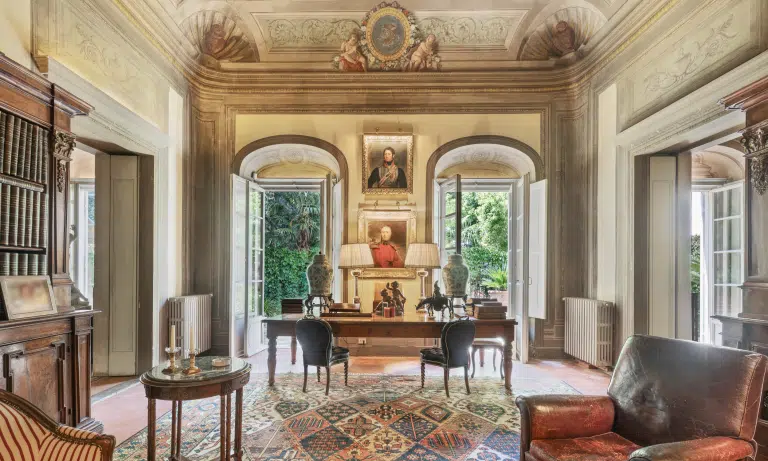
The piano nobile, frescoed ceilings, and monumental staircases often characterize noble palaces. These are the ideal assets for those seeking high-representation residence in the heart of Italy’s major art cities.
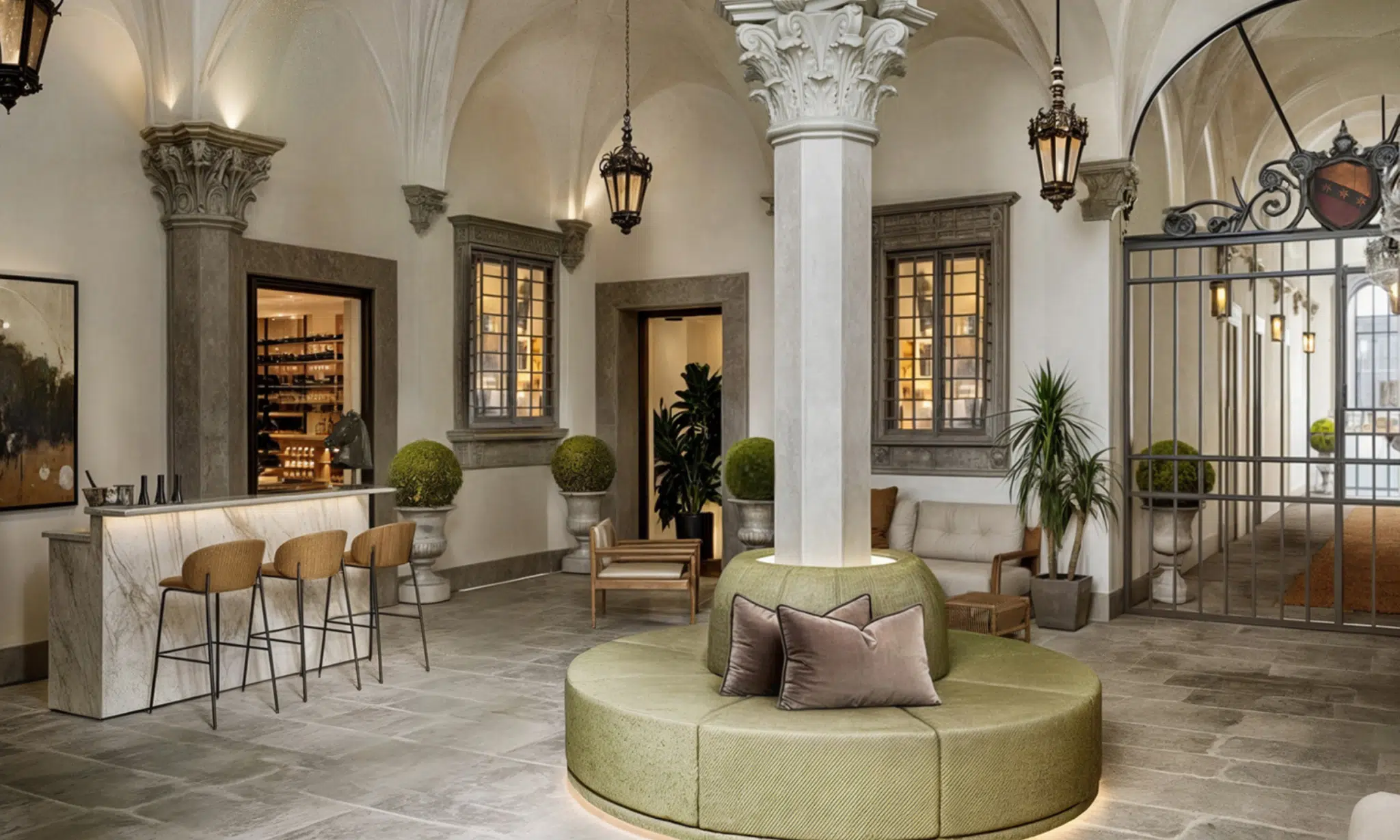
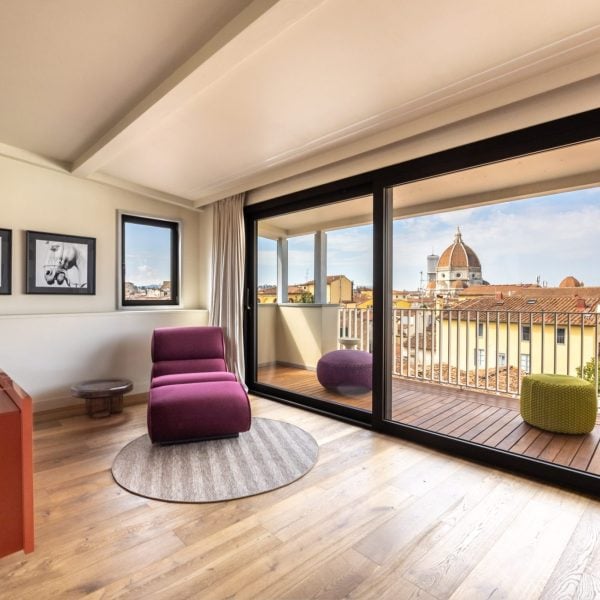
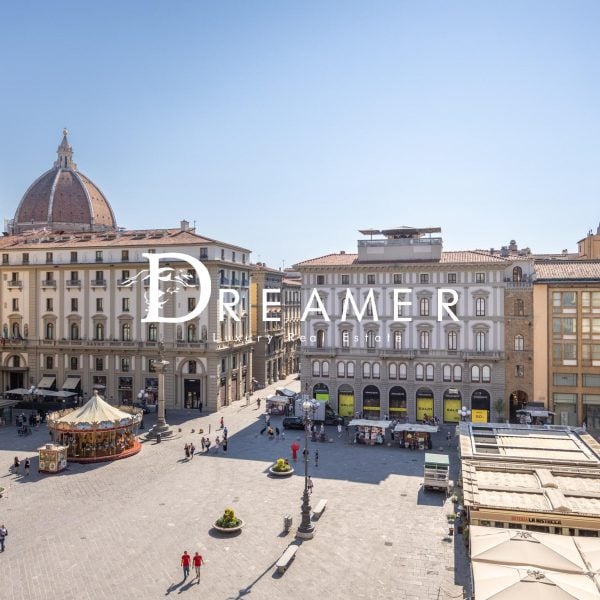
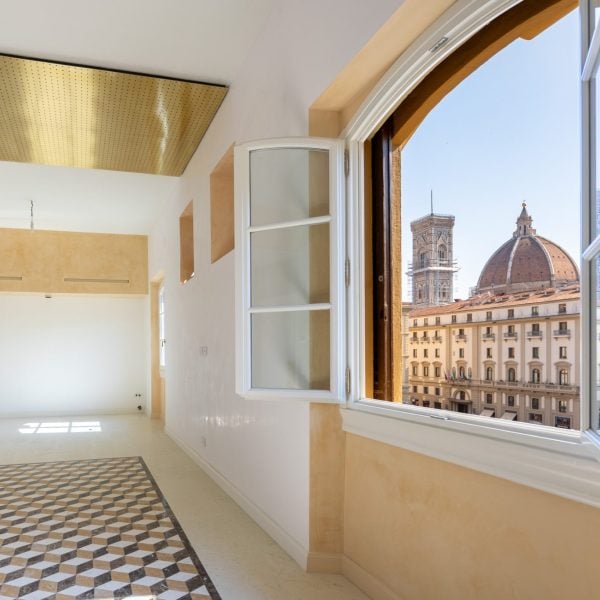
A masterclass in combining monumental architecture with a strategic location is Palazzo Baldovinetti, a true icon of Florentine heritage. Read its story below.
Palazzo for Sale in Italy: A One-of-a-Kind Investment Opportunity
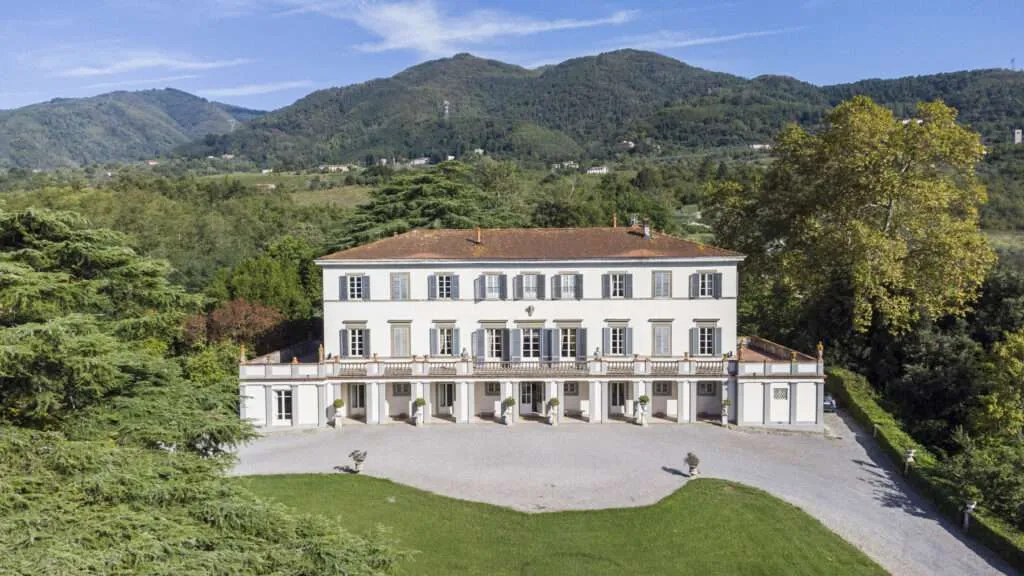
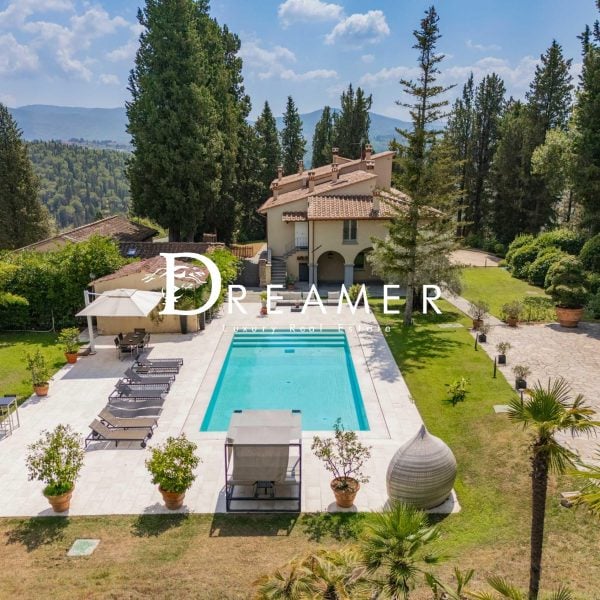
The harmony between architecture and formal Italian gardens defines Medici-style villas. The presence of century-old parks and lemon houses can increase the asset’s value by up to 25% compared to properties without monumental green spaces.
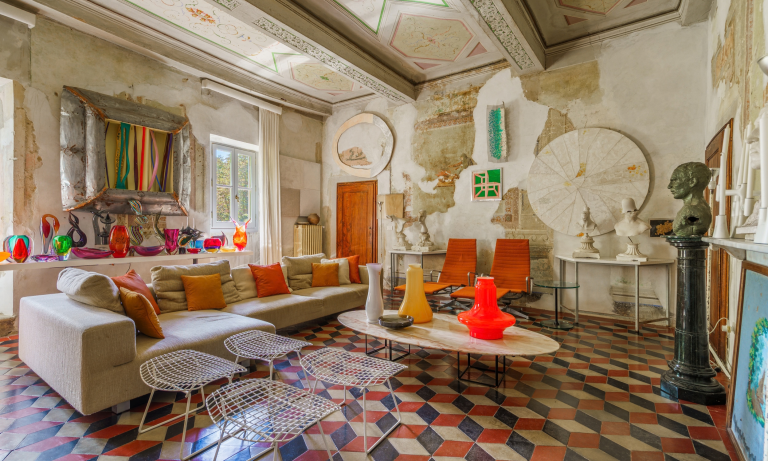
Carolina Bonaparte’s Historic Mansion in Lucca: A Royal Heritage Villa for Sale
Castles and fortified residences offer the ultimate in privacy and security. These are the preferred trophy assets for ultra-luxury hospitality projects. When analyzing the European castle market in 2026, Italy stands out as the most coveted destination for historic fortresses ready for high-end conversion.
The European Castle Market: Why UHNW Investors Choose History
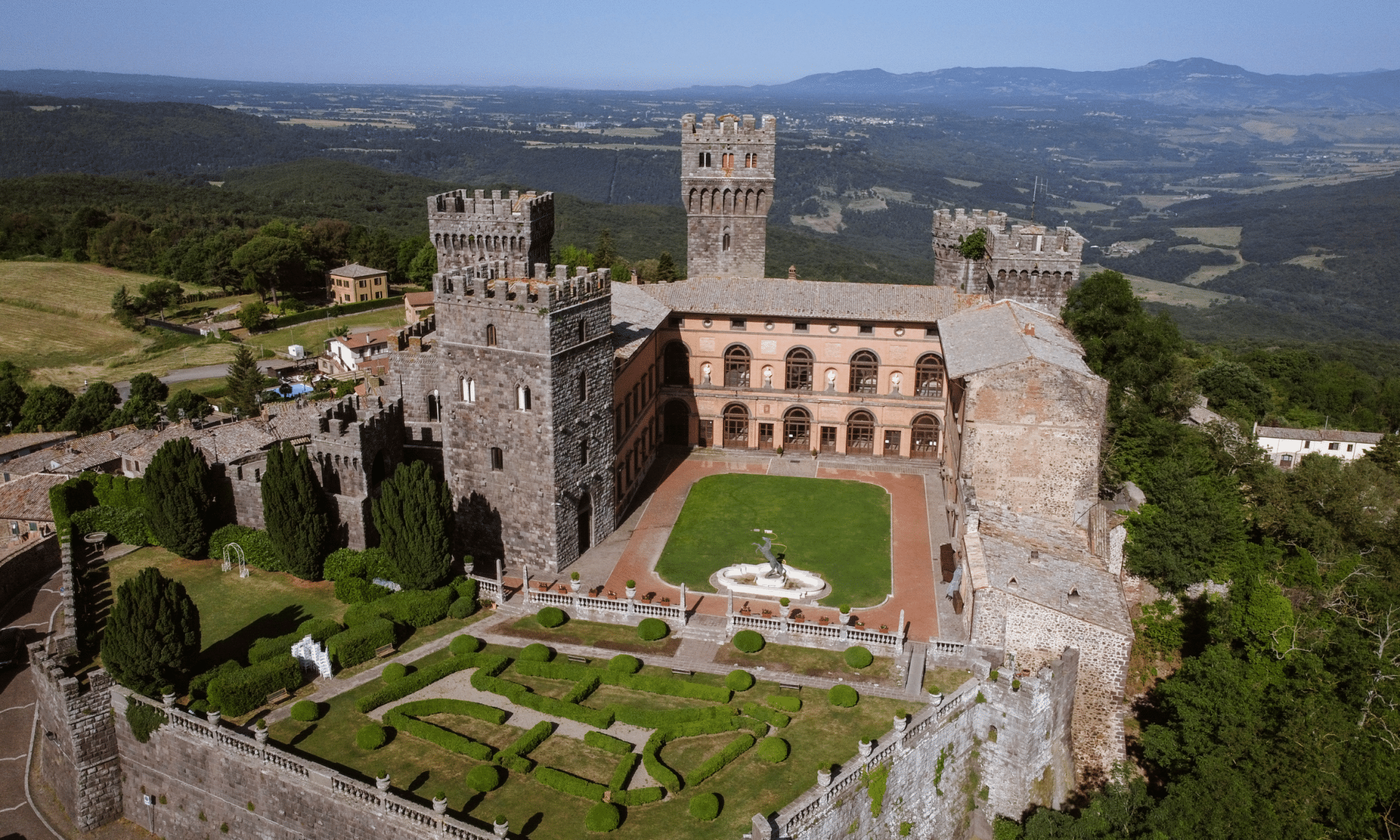
This Impressive 18th-Century Castle near Rome embodies this potential. With its vast square footage and strategic proximity to the Capital, it offers a rare chance to develop an ultra-luxury hospitality project within a context of absolute architectural prestige.
The Eco-Luxury Shift: Historic Building Renovation and Rural Estates
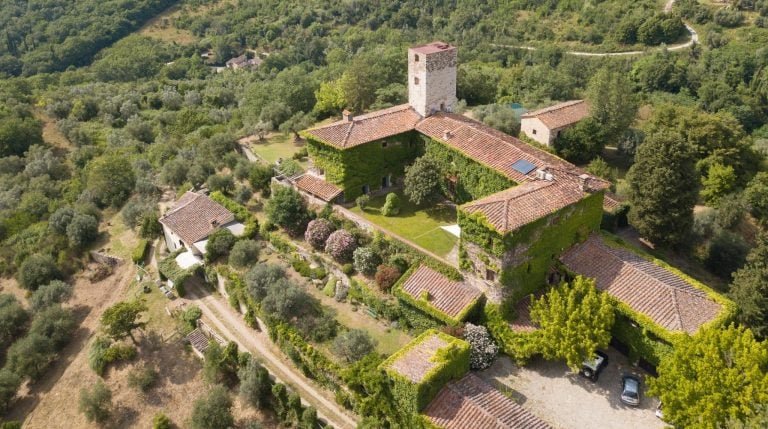
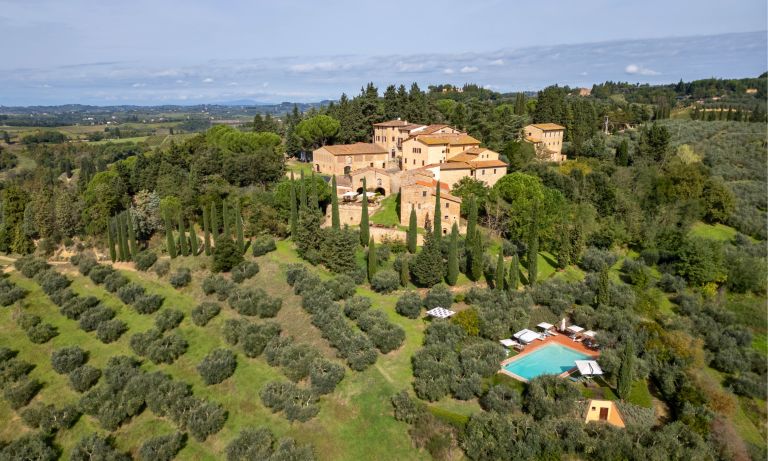
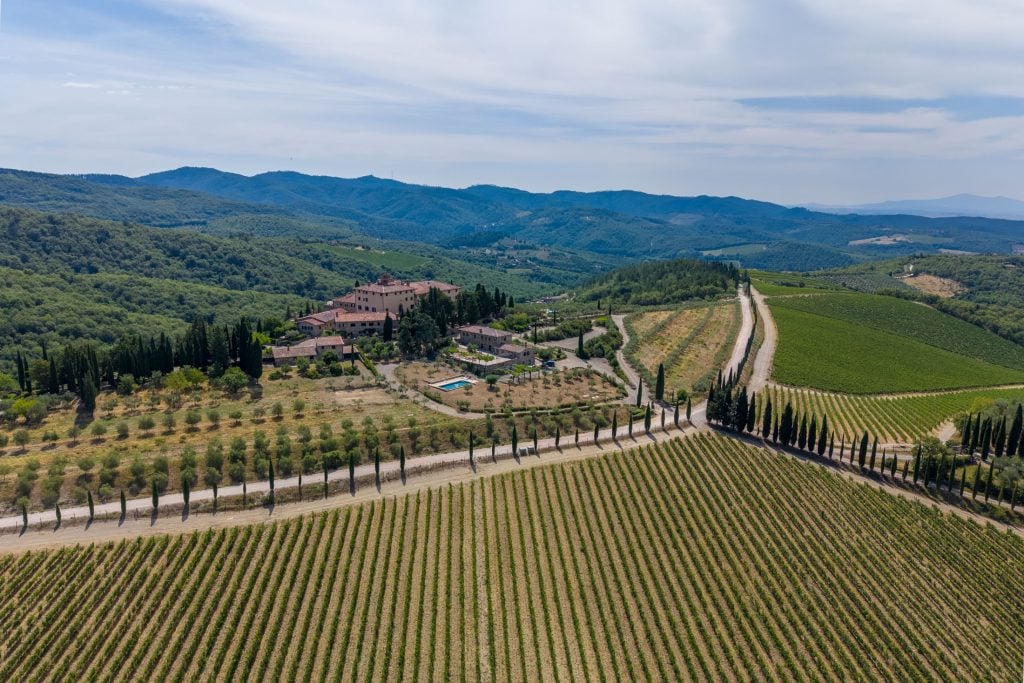
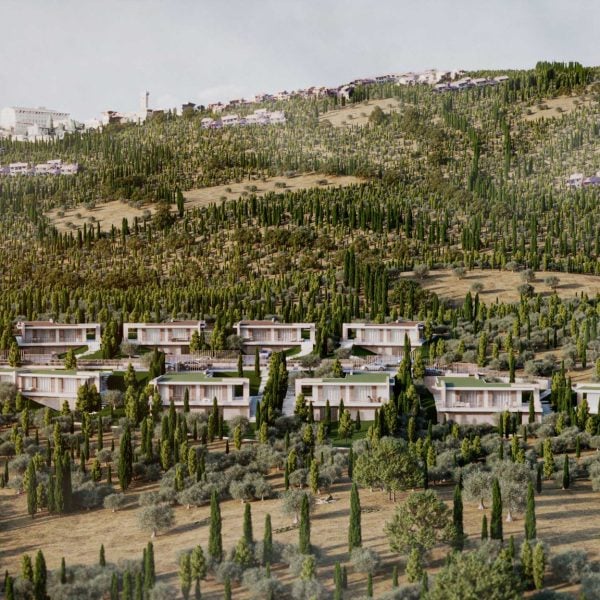
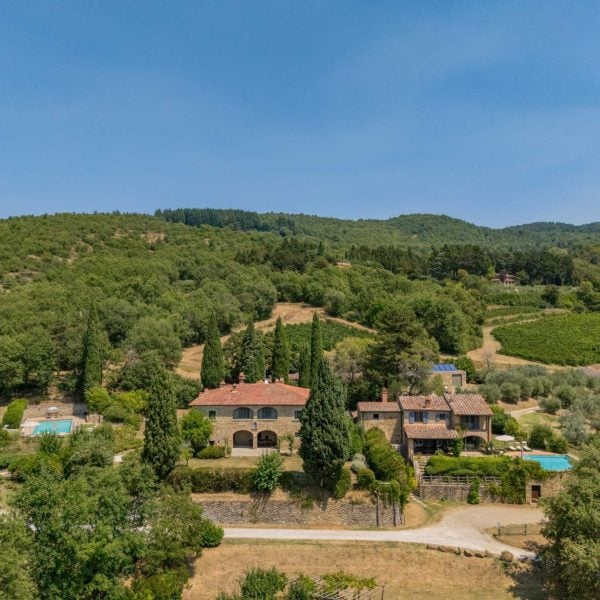
Historic farmhouses and rural estates, featuring exposed stone and original timber beams, are the prime territory for eco-luxury. Here, the historic building renovation seamlessly integrates geothermal technology and invisible home automation.
Innovation in this sector can reach extraordinary heights, as seen in the villa with a private airport in the Pisa hills, where agricultural heritage meets the demands of global mobility.
€25 Million for an Iconic Tuscan Villa with Airport in the Hills of Pisa
A historic residence is a living ecosystem: 60% of these properties are involved in productive activities, proving that conservative restoration of period properties is an entrepreneurial strategy, not just an aesthetic one. This trend is fueling a luxury renaissance in the hills of Florence, where ancient complexes return to the modern market as ultra-exclusive residences or boutique charm hotels.
Today, the return on investment in Italian noble palaces and estates is driven by a synergistic mix of revenue streams: hospitality (45.7%), events and cultural management (22.3%), and the agro-food sector (17.3%).
Investor Spotlight: The Renaissance of Agro-Luxury
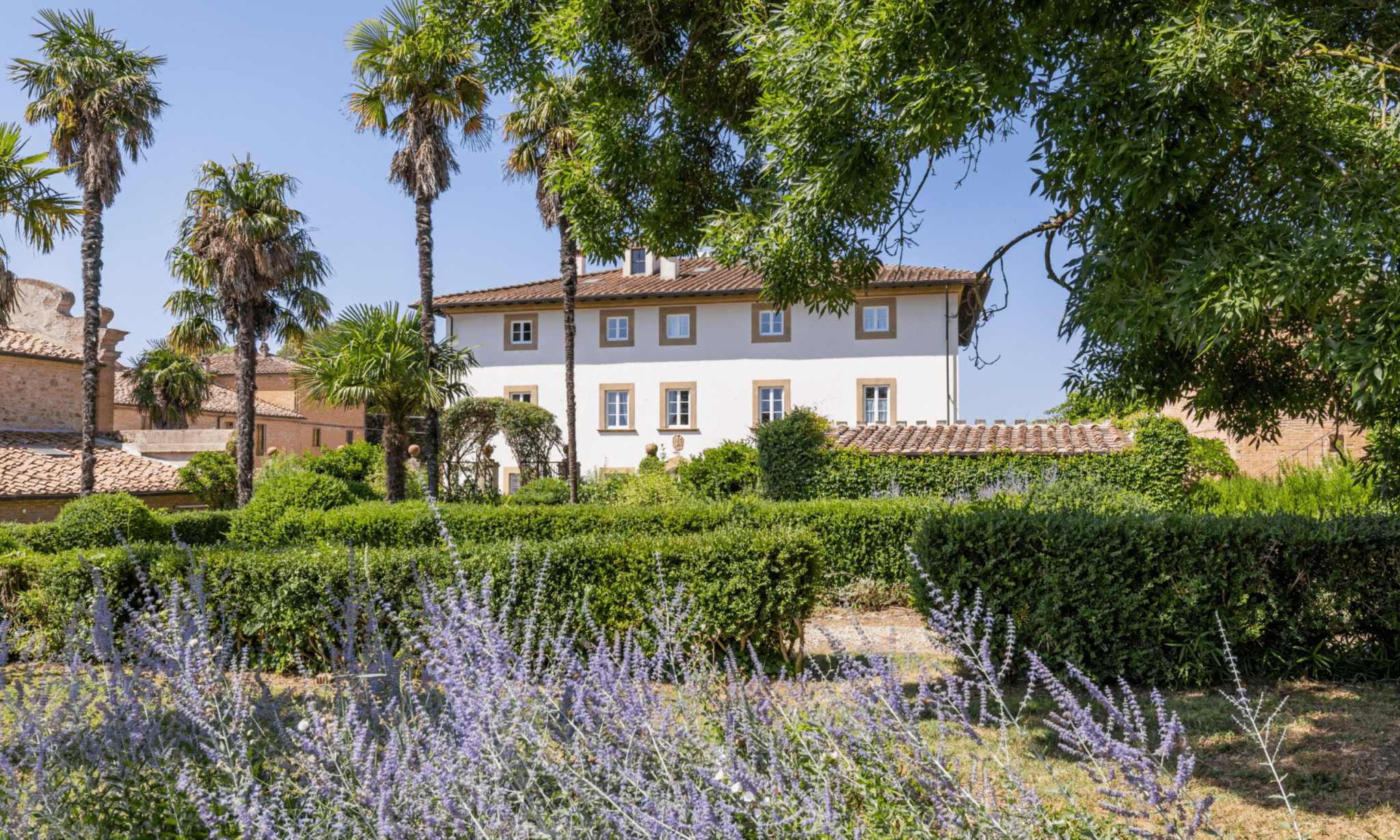
In the 2026 investment landscape, a historic estate is no longer merely a secluded retreat; it has become the heartbeat of a prestigious agricultural enterprise. Data from the latest ADSI Observatory reveals an unmistakable trend: the agricultural sector linked to heritage properties in Italy has grown by 17% since 2023.
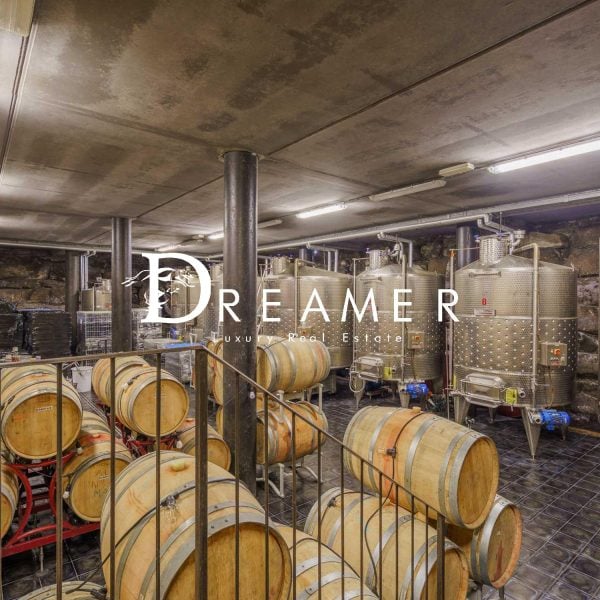
Currently, 39% of historic estates with agricultural operations derive more than three-quarters of their total income directly from the land. This shift signifies that estate production is no longer a niche “hobby” but a structural, high-yield business activity. This transformation turns a period villa into a high-value-added productive asset, where the prestige of the architecture enhances the global marketability of the estate’s organic wine, olive oil, or truffle production.
Beyond the Restoration of Historic Villas
Engineering Assets for Future Living
The restoration of historic Italian villas in 2026 is far more than a simple construction project; it is an act of architectural philology supported by state-of-the-art technology. Beyond preserving grandeur, the goal is to elevate the building’s capacity to generate well-being. True luxury now lies in the seamless integration of contemporary standards into centuries-old volumes.
This is where the principles of conservative restoration of period properties evolve. By transforming the ancient charm of stone into a dynamic environment, we integrate internal microclimate control, acoustic efficiency, and “invisible” home automation. The result is a modern, secure sanctuary tailored for the global investor.
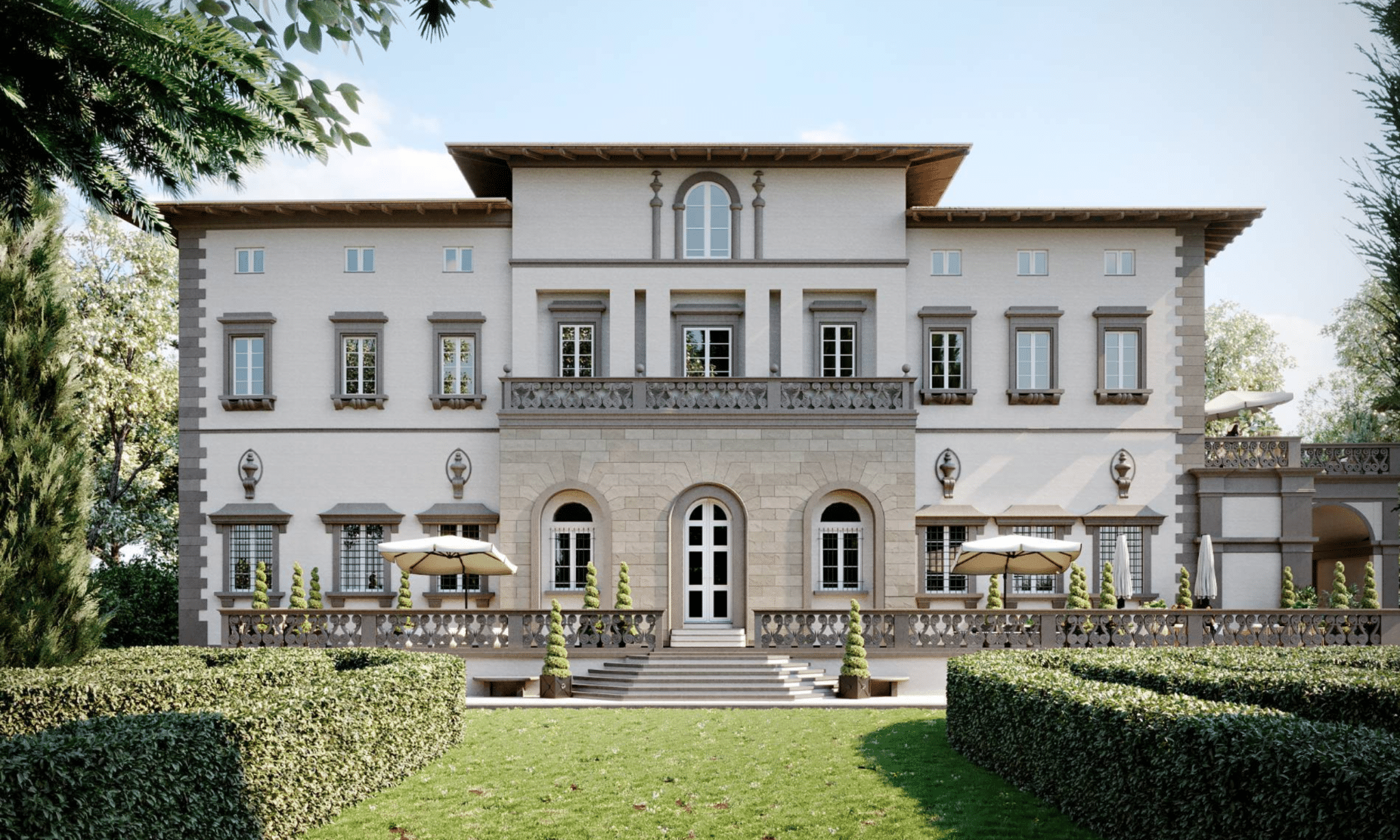
The market clearly rewards the ability to bridge the gap between listed buildings and contemporary lifestyle requirements. A perfectly restored historic property can command a market value 10-20% higher than a similar property that has not been technologically updated.
The secret lies in historic building renovation through technological retrofitting: a series of targeted interventions designed to integrate smart technology and energy efficiency while recovering original materials. This process enhances the asset’s value while preserving its historical DNA in a modern key.
Through this approach, period villas to renovate are brought back to life with domotic systems that fully respect ancient frescoes and stuccos, achieving the sustainability standards that are now mandatory in the luxury sector. Restoration does not replace; it regenerates. Materials such as pietra serena, handmade terracotta, and antique timber are treated with specialized interventions, guaranteeing their durability for centuries to come.
Heritage and Value: Luxury Historic Investments as the 2026 Legacy
To acquire and enhance a heritage property in Italy in 2026 is a strategic choice that merges the preservation of national history with the creation of future wealth. In a world increasingly dominated by the ephemeral, secular walls offer the stability that only history can guarantee.
Investing in period villas to renovate does not mean sacrificing modernity; it means elevating it. Today’s philological restoration integrates invisible smart-home solutions and cutting-edge energy systems that meet rigorous ESG criteria, reducing environmental impact without altering centuries-old aesthetics.
Furthermore, the Italian regulatory framework, with its incentives for conservation and significant tax benefits for new residents (such as the Flat Tax), makes these estates the ideal centerpiece for international wealth planning and capital appreciation of historic villas.
At Dreamer Real Estate, our mission is to guide investors through this journey of rediscovery, blending entrepreneurial vision with profound cultural sensitivity. As explored in our analysis of luxury, culture, and real estate, we believe true success lies in the ability to breathe new life into immortal treasures.
Luxury Real Estate in Italy: Dreamer’s Vision Between Heritage and Investment